Introduction
Food security is a crucial facet of contract food manufacturing in Australia. With the expanding demand for convenience as well as ready-to-eat products, contract food makers play an important function in creating safe as well as top notch food. In this short article, we will discover the regulations and standards that control contract food manufacturing in Australia, ensuring that customers can trust the products they purchase.

Understanding Agreement Food Manufacturing
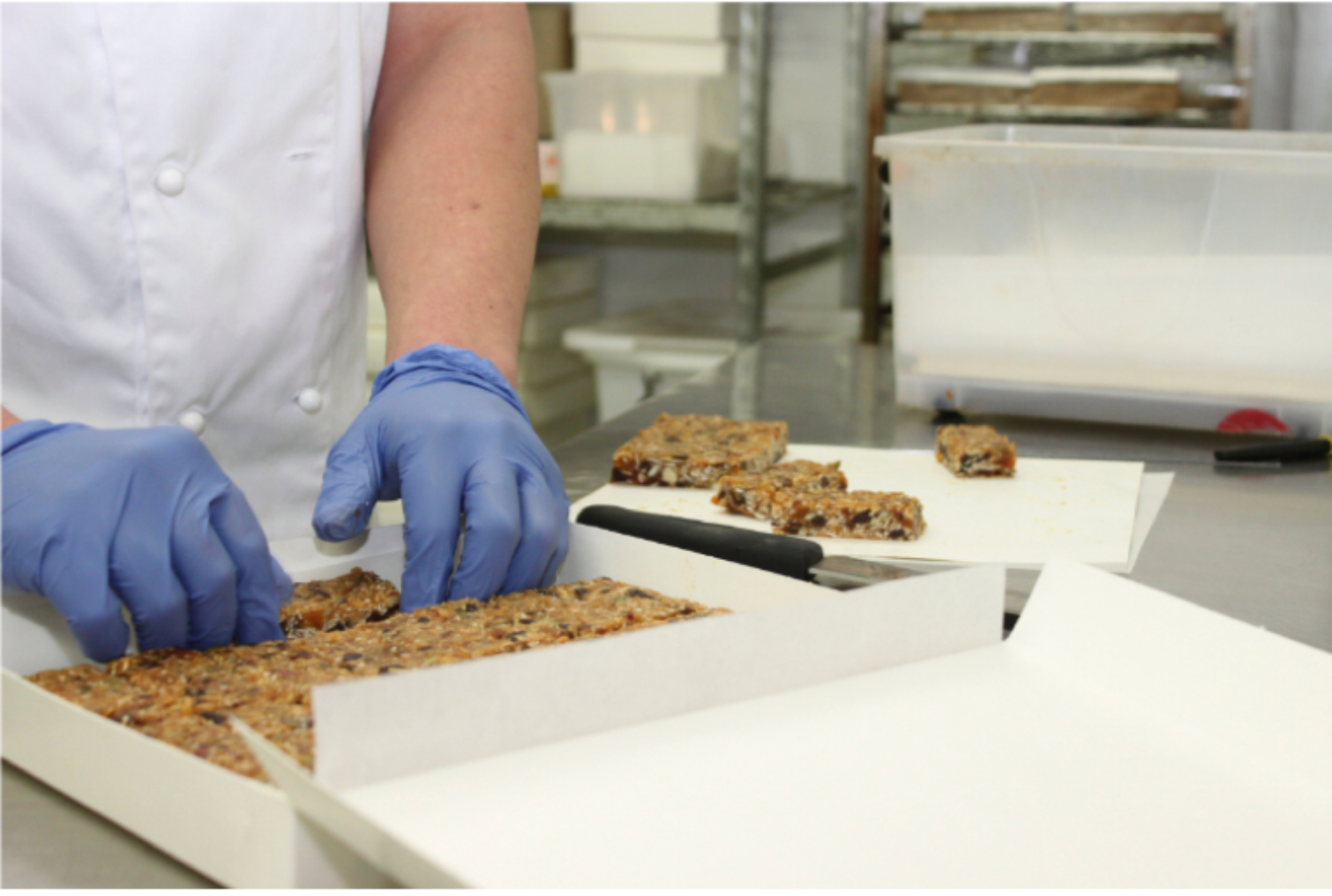
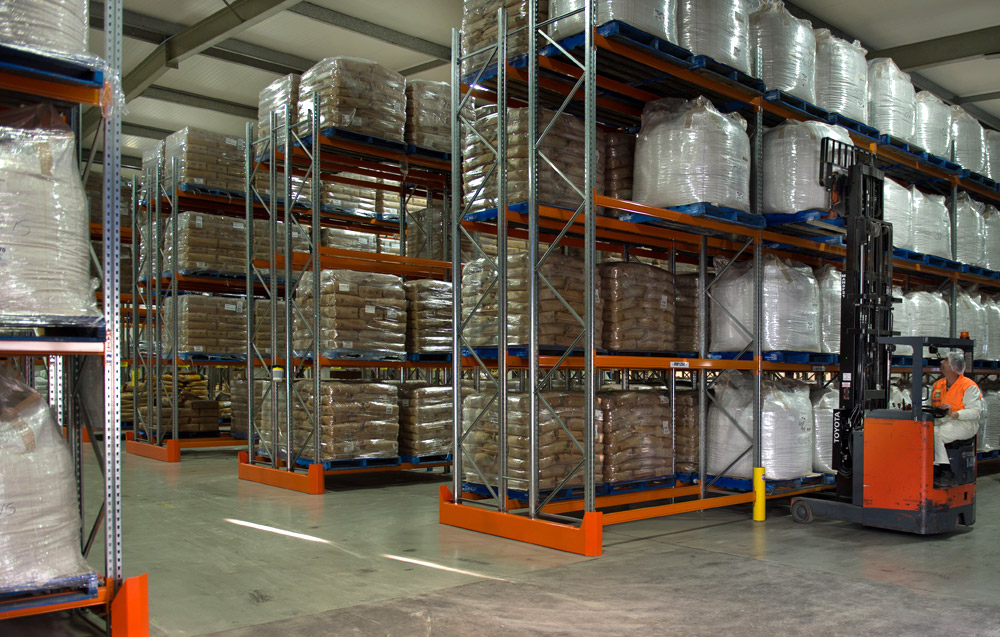
Contract food production involves outsourcing the manufacturing of food products to a specialized maker. This permits firms to focus on other elements of their business while making certain that their products are produced according to sector criteria. These makers have specialized facilities, devices, and also knowledge to satisfy the certain requirements of various food products.
What is Agreement Food Manufacturing?
Contract food manufacturing describes the procedure of working with a third-party manufacturer to create food products on behalf of a company. The agreement supplier cares for different stages of production, including sourcing components, processing, packaging, labeling, and also also distribution. This plan enables business to scale up their manufacturing without purchasing additional infrastructure or manpower.
Benefits of Contract Food Manufacturing
Cost Efficiency: By contracting out production to a contract maker, business can save on costs related to framework, devices, labor, and regulatory compliance. Expertise and Field of expertise: Contract suppliers have considerable knowledge as well as experience in producing particular types of foodstuff, making certain top quality and also consistency. Scalability: As demand for a product raises, agreement makers can rapidly scale up production without disruptions. Focus on Core Competencies: Firms can concentrate on advertising, sales, and product growth while leaving the manufacturing procedure to experts. Access to New Markets: Contract suppliers commonly have actually developed circulation networks that can help business broaden their reach into brand-new markets.Australian Laws for Contract Food Manufacturing
Australia has strict laws and also guidelines in place to guarantee the safety and security and also quality of foodstuff. Contract food suppliers have to comply with these laws to run lawfully as well as fulfill customer expectations.
Food Security Standards Australia
Food Safety Criteria Australia (FSSA) sets out the governing requirements for the manufacturing, processing, and handling of food in Australia. These standards cover various elements, consisting of hygiene methods, handling of allergens, labeling needs, and also traceability of components. Contract food manufacturers have to follow these requirements to make sure the safety as well as honesty of their products.
Good Production Practices (GMP)
Good Manufacturing Practices (GMP) are a collection of standards that describe the minimal demands for the manufacturing procedure. These techniques cover locations such as facility layout, tools upkeep, workers hygiene, product screening, as well as quality control. Abiding by GMP makes certain that food are produced in a tidy as well as controlled setting, reducing the threat of contamination.
Food Labeling Demands in Australia
Accurate and also clear labeling is necessary to educate consumers concerning the web content as well as potential allergens existing in a food. The Australian Food Specification Code describes certain requirements for labeling, consisting of required information such as ingredients list, allergen declarations, dietary details panel, as well as country of origin labeling. Contract food suppliers should guarantee that their items are labeled properly to follow these regulations.
HACCP (Threat Analysis Important Control Factor)
Hazard Evaluation Essential Control Factor (HACCP) is an organized approach to recognizing as well as regulating prospective risks in the food manufacturing process. This precautionary system includes recognizing prospective hazards, developing essential control points, checking treatments, restorative actions, confirmation tasks, as well as record-keeping. HACCP plays an important duty in ensuring the safety and security of food products by recognizing as well as minimizing threats at each stage of production.
Quality Guarantee Programs
Quality guarantee programs play a vital duty in keeping consistent quality across different batches of food products. These programs involve routine testing and evaluation of raw materials, ended up items, and ecological conditions to make certain conformity with high quality food contract manufacturer standards. Contract food manufacturers typically have durable quality assurance programs in position to satisfy the expectations of their clients and also regulative bodies.
Food Security Audits
Regular food safety audits are performed by governing bodies to evaluate the conformity of contract food suppliers with pertinent laws as well as guidelines. These audits assess numerous aspects, including facility sanitation, employees hygiene practices, record-keeping, tools upkeep, as well as adherence to HACCP concepts. Contract food producers should undergo these audits to demonstrate their commitment to creating risk-free as well as high-grade food products.
Compliance with International Standards
In addition to Australian policies, agreement food manufacturers may additionally need to comply with international standards depending on their target markets. International requirements such as ISO 22000 (Food Security Management System) and BRC Global Standard for Food Safety and security provide extra structures for guaranteeing food security as well as quality. Adhering to these requirements can enhance the reputation of agreement food manufacturers and open up possibilities for exporting their products.
FAQs concerning Contract Food Manufacturing in Australia
What is contract food manufacturing?- Contract food production describes outsourcing the manufacturing of food products to a specialized manufacturer.
- Companies pick contract food manufacturing for price performance, know-how, scalability, focus on core competencies, as well as access to brand-new markets.
- The policies include Food Safety Specification Australia (FSSA), Excellent Production Practices (GMP), Food Identifying Requirements, HACCP, Quality Assurance Programs, as well as Food Security Audits.
- Contract food producers make certain safety through compliance with guidelines, carrying out GMP techniques, adhering to HACCP concepts, maintaining quality assurance programs, as well as undertaking regular audits.
- Yes, relying on the target markets, contract food producers may require to comply with global requirements such as ISO 22000 as well as BRC Global Standard for Food Safety.
- Companies can analyze the top quality of agreement food suppliers via audits, accreditations, record, compliance with regulations, and reputation in the industry.
Conclusion
Ensuring food safety and security is of critical significance in contract food manufacturing in Australia. By adhering to laws, implementing ideal techniques, and maintaining strenuous quality control procedures, agreement food makers can generate secure and high-grade foodstuff. This not only constructs consumer trust but additionally assists companies meet their service purposes. As the demand for contract food manufacturing remains to climb, it is vital for both producers and also firms to remain updated with the current guidelines and industry patterns to supply products that satisfy the highest criteria of safety and security and quality.